PROFESSION ADVOCACY & COMMUNICATIONS
Advancing the profession.
The BCACC continually promotes and enhances the Clinical Counselling/ Psychotherapy profession in BC to increase awareness of the need for Mental Health services and to remove or minimize barriers to RCCs’ ability to provide services.

Helping to define the future of mental health care
BCACC has continued to advance the profession of clinical counselling and psychotherapy in British Columbia through focused advocacy, regulatory leadership, and strong collaboration with partners across Canada’s health network.
Over the past year, our work has delivered measurable results, including improved remuneration for Registered Clinical Counsellors, expanded access to services for diverse populations, strengthened professional standards, and increased recognition of RCCs within public and private systems. These efforts reflect BCACC’s ongoing commitment to supporting its members while improving access to high quality, inclusive mental health care across the province.
Continued Public Relations
A key part of BCACC’s advocacy work is to increase its visibility in the eyes of the public and many other stakeholders through social media and press/media releases.
April 29, 2025 – BCACC offers free public webinar on grief and loss following the Lapu Lapu tragedy, providing practical support for individuals and communities coping with loss. Read more here
May 12, 2025 – BCACC launches a continuing competency program for 8,500 Registered Clinical Counsellors to enhance professional standards and strengthen public protection. Read more here
July 24, 2025 – BCACC records 10,000 members, reflecting continued growth in the profession to meet rising demand for mental health services. Read more here
August 6, 2025 – Veterans Affairs Canada adds Registered Clinical Counsellors to its approved providers list, expanding access to mental health care for veterans. Read more here
September 16, 2025 – BCACC supports RésoSanté’s first Francophone community health centre in British Columbia, improving access to care for French-speaking communities. Read more here
October 6, 2025 – BCACC concludes British Columbia’s largest mental health conference of 2025, bringing together professionals for learning and collaboration. Read more here
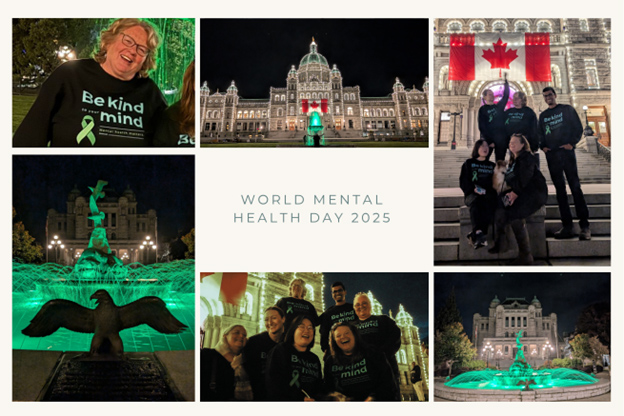
October 14, 2025 – BCACC organizes illumination of the BC Legislative Assembly for World Mental Health Day to raise awareness and reduce stigma. Read more here
October 20, 2025 – BCACC attends the CNAR Conference in Calgary in preparation for the professional regulation of psychotherapy. Read more here
January 5, 2026 – BCACC and BCMSA expand the ‘Connection to Care’ initiative to include the BC Forest Safety Council, increasing access to mental wellness supports. Read more here
February 26, 2026 – BCACC brings provincial mental health roadshow to four B.C. cities in 2026, expanding access to mental health awareness and engagement across the province. Read more here
March 31, 2026 – BCACC Publishes First Environmental, Social, and Governance (ESG) Report, Strengthening Transparency and Accountability in Mental Health Sector. Read more here

BCACC in the Media
CBC Radio Canada came to interview BCACC CEO, Michael Radano and Board Chair, Sylvie Hamel at BCACC’s Cultivating Connections Conference in Vancouver, September 19-20, 2025. The conference brought together clinical counsellors / psychotherapists and allied mental health professionals for two days of learning.
World Mental Health Day
BCACC amplified World Mental Health Day on October 10, 2025 by planning a light up of the BC Legislature building in green lights. The theme of 2025 World Mental Health Day was “Access to Services – Mental Health in Catastrophes and Emergencies”.
Several newspapers reported on the event including the Saanich News, Victoria Buzz, Victoria News and the Trail Times.

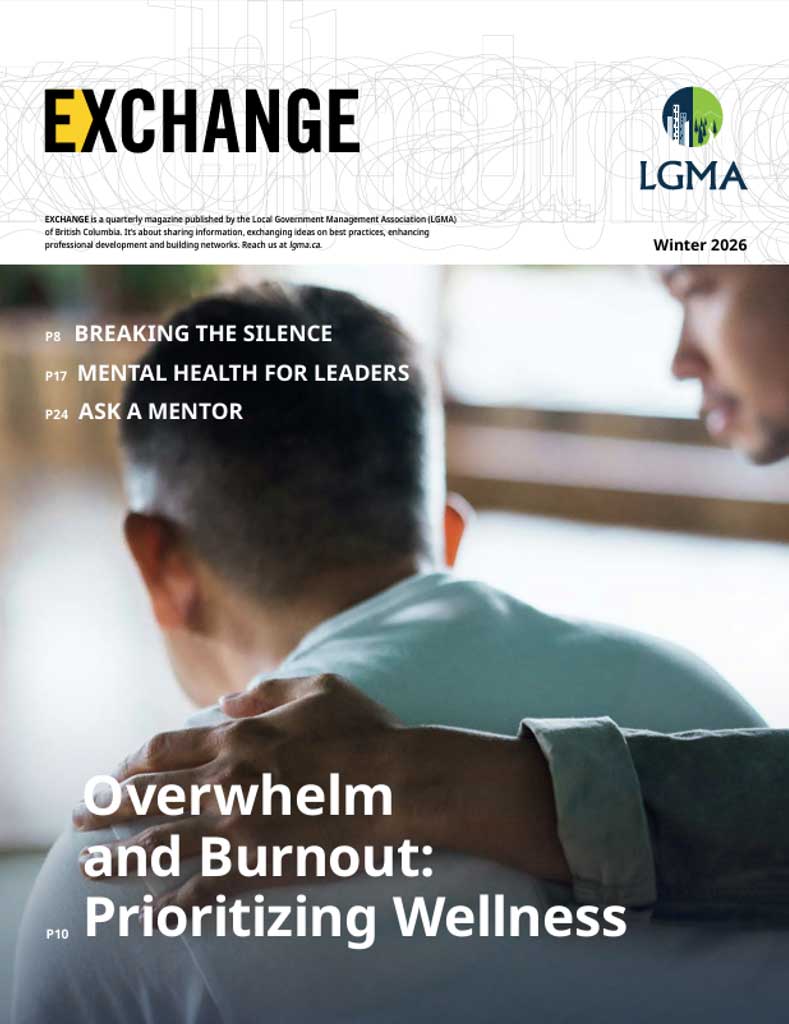
Exchange Magazine – Overwhelm and Burnout: Prioritizing Wellness
BCACC’s Director of Clinical Practice, Jane Beaumont, was interviewed for an article in the Local Government Management Association of BC’s magazine EXCHANGE.
Jane Beaumont highlighted that psychologically safe workplaces where employees can speak openly, make mistakes, and be themselves without fear, are essential to supporting mental health and preventing burnout.
She emphasized that leaders foster this environment by prioritizing curiosity, open dialogue, and learning over blame, helping build trust and resilience within teams.
Response to tragedies –
Supporting Communities in Time of Crisis
2025 and 2026 was marked with distinct tragedy in BC, the likes we have not seen before. In the wake of devastating tragedies across British Columbia in 2025 and 2026, including the April 26, 2025 Lapu Lapu Day Festival attack in Vancouver and the February 10, 2026 Tumbler Ridge Secondary School shooting, Registered Clinical Counsellors responded immediately with compassion and professionalism, volunteering their time and expertise to support those affected.
BCACC worked in close collaboration with key community partners, including the Canadian Mental Health Association (CMHA), the Provincial Health Services Authority (PHSA), Filipino BC, and the Crime Victims Assistance Program, strengthening relationships and ensuring coordinated, timely support for individuals and communities in need. BCACC extends sincere thanks to its engaged and empathetic membership for their generosity, time, and unwavering care during these critical moments.
Advocacy Efforts
BCACC has continued to strengthen its advocacy efforts to improve recognition, access, and fair compensation for Registered Clinical Counsellors across British Columbia. Over the past year, we have worked collaboratively with key partners including ICBC, the Crime Victim Assistance Program (CVAP), Veterans Affairs Canada, and Pacific Blue Cross to advance meaningful system improvements that directly benefit both RCCs and the clients they serve.
Grounded in data from our fee schedule survey, national benchmarking, and the realities of rising costs of living, BCACC has successfully influenced important updates to remuneration, expanded provider eligibility, and improved administrative processes. These efforts have resulted in reduced payment delays, increased access to direct billing, broader inclusion of RCCs across systems, and expanded counselling coverage for families and underserved populations.
Crime Victim Assistance Program
Rates were increased in January 2024 from $80/hour to $135/hour (a 69% increase)
Veterans Affairs Canada
Veterans Affairs Canada approved Registered Clinical Counsellors (RCCs) as eligible providers, significantly expanding access to timely, specialized mental health care for veterans across Canada. This change increased provider choice, reduced wait times, and recognized RCCs as qualified professionals to support veterans’ complex mental health needs.
Pacific Blue Cross – July 2025
BCACC secures direct billing privileges secured for RCCs.
ICBC
________________________________
ICBC Recovery Network
BCACC succeeds in having all RCCs be able to apply for vendor numbers regardless of degree type (Masters and Doctoral level)
________________________________
ICBC Family Counselling Benefit
Family members of crash-impacted clients now covered for counselling
________________________________
ICBC Rate Increases
Initial Visit and Report – $268 (2% increase)
Standard Treatment – $160 (2% increase)
Participation in Key Events
To increase awareness of the need for mental health services and the role that Registered Clinical Counsellors (RCCs) can play, BCACC participated in several strategic conferences and events throughout 2025:

EMDR Canada Conference – March 19 – 22, 2025, Vancouver, BC
Exhibitor
BCACC was pleased to be an exhibitor for the first time at the EMDR Canada Conference held in Vancouver BC. Our goal was to connect with clinicians and to answer questions they had regarding the BC Association of Clinical Counsellors.

Chartered Professionals in Human Resources of British Columbia & Yukon Conference – April 29 – 30, 2025, Vancouver, BC
Exhibitor
BCACC was on site to connect with Human Resource decision makers to discuss extended health benefits and the addition of Registered Clinical Counsellors to their plans. BCACC has attended this conference before and year over year we see an improvement in how many RCCs have been added to plans, across sectors. As a tragedy occurred in the Filipino and Vancouver community just before the event, BCACC was also able to provide onsite mental health support to attendees at the conference.
Canadian Life and Health Insurance Association Conference – June 4 – 6, 2025, Calgary, AB
Gold Sponsor
BCACC was a gold sponsor at the CHLIA conference in June. Our goal was to connect with insurance professionals, plan administrators and decision makers to provide information and answer questions regarding the addition of Registered Clinical Counsellors to health benefit plans.
BC Municipal Safety Association Joint Alliance Conference – Oct. 6-8, 2025, Whistler, BC
Exhibitor
BCACC exhibited at the JAC, co-hosted by the Public Works Association of BC and the BC Municipal Safety Association. The event focused on infrastructure and municipal safety, providing an opportunity to meet with union and municipal leaders to discuss mental health coverage and promote our joint Connection to Care program.

CNAR 2025 Annual Conference – October 20-22, 2025, Calgary, AB
Attendee
BCACC attended the Canadian Network of Agencies for Regulation (CNAR) Conference to engage with regulatory leaders from across Canada. Our participation supported national conversations around regulatory excellence and underscored our commitment to the responsible regulation of psychotherapy in BC.

CMHA Bottom Line Conference – October 26 – 28, 2025, Vancouver, BC
Silver Sponsor, Exhibitor
BCACC was a silver sponsor and exhibitor at the Canadian Mental Health Association’s Bottom Line Conference. This conference was an excellent opportunity to connect with allied professional associations to examine opportunities for collaboration and to continue important conversations in the mental health space.
Ongoing Stakeholder Engagements
BCACC engaged in collaborative work and partnerships with the following agencies and organizations. This also provided an opportunity to showcase RCCs, remove practice barriers and inform policy/decisions: